Disney's Animal Kingdom: design inspiring conservation
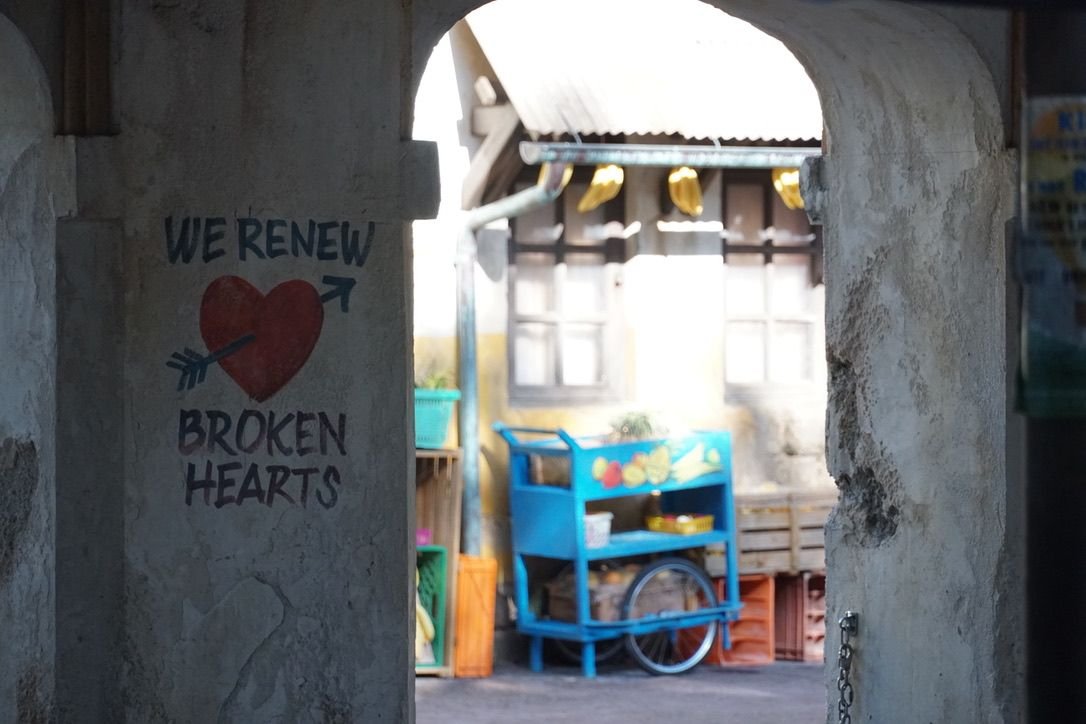
Introduction
Well executed design doesn’t just look nice, it influences the way people think. My favourite example of this is Disney’s Animal Kingdom theme park.
Opened in 1998 at Florida’s Walt Disney World, Disney’s Animal Kingdom is a 580-acre park, themed around the natural world and dedicated to animal conservation.
The level of detail and themed immersion is unparalleled, I think. I’ll talk about why this makes Animal Kingdom incredibly effective at informing and educating guests in matters of animal protection and conservation.
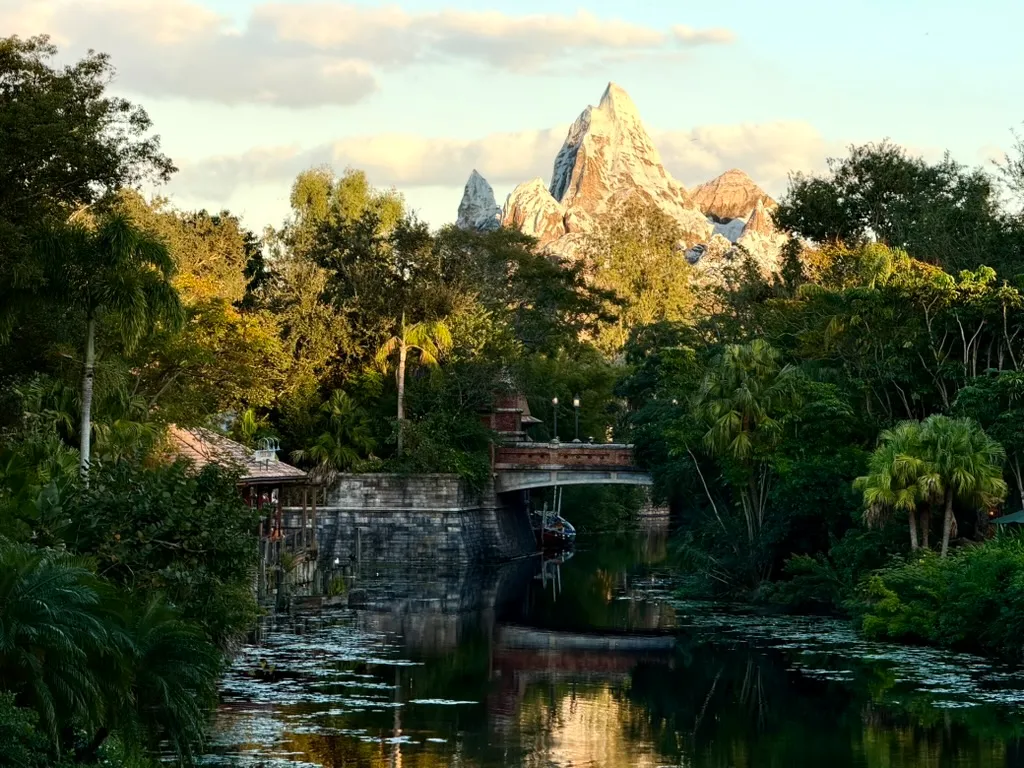
The power of thematic design and storytelling
Not just animal exhibits
Animal Kingdom is divided into six distinct lands: Oasis, Discovery Island, Pandora – The World of Avatar, Africa, Asia, and finally my beloved DinoLand U.S.A., which is soon to be replaced with Tropical Americas.
Each land has distinct theming and focus, and the animals are housed in the area of the park analogous to where they live in the wild. This does two things for the guest — it helps with park navigation, but also invites the guest to believe they are in those locations, viewing the animals in their natural habitats. This is achieved via some clever habitat design, but also incredibly detailed and immersive theming.
A good example of this is Harambe Village, in the Africa themed land, which is designed to feel like a real African town, bustling with life.
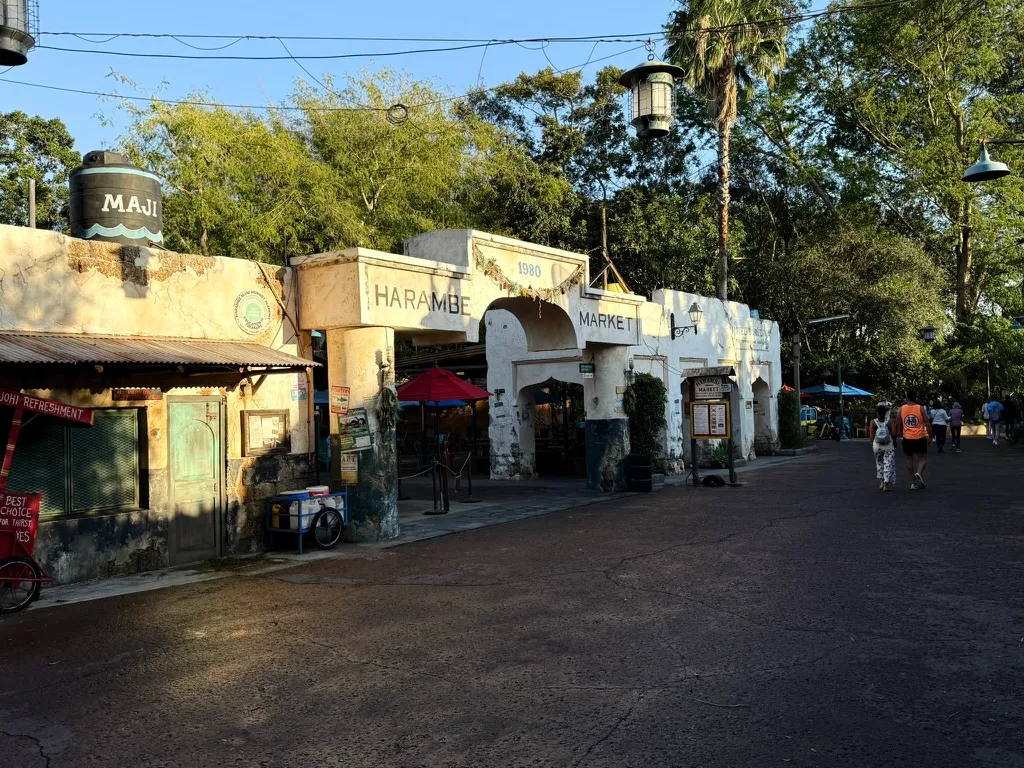
Quick service food stalls are themed as market stalls, as part of Harambe Market, making guests feel like they’re buying local produce. They’re not — they’re in possibly one of the most commercialised and artificial environments on earth — but that doesn’t matter, because for a second, in that moment, they’re bartering with a market stall holder in Africa for their lunch.
The effect this has on the guest is that they feel like they understand the environment a little better than they did when they arrived. It’s not just about seeing the animals, it’s about feeling a connection to the culture, the landscape, and the rhythms of daily life in that part of the world. This sense of immersion makes conservation feel personal — when guests emotionally invest in a place, they’re more likely to care about preserving it.
By creating an environment that feels authentic, even within the bounds of a theme park, Animal Kingdom turns passive observers into engaged participants, subtly reinforcing the idea that these animals and their habitats are worth protecting in the real world.
As a theme park, of course there are rides. Expedition Everest is a thrilling rollercoaster expedition to find a yeti, Dinosaur is a dark ride through time to collect a dinosaur specimen before a mass extinction event. There are also shows which educate to varying degrees — It’s Tough To Be A Bug told the story of the life of insects, and Feathered Friends In Flight provides a look at the birds of Animal Kingdom and how they’re looked after.
Peek behind the scenes
Accompanying the headline attractions you also have Conservation Station, which offers an incredible look at the veterinary treatment that goes on — you can watch animal examinations happening in front of your eyes, watch as cast members prepare meals for animals in the Nutrition Center, and more. This is an excellent way to demonstrate the care taken by Disney, and to foster a sense of responsibility in the guests who watch.
It’s all in the details
How do you begin to create an authentic environment? Surrounding a guest with a convincing, detailed and immersive environment is the first step to transporting them thousands of miles away.
This level of immersion also applies to the animal exhibits. For example, habitats are themed to the land they’re situated in, and some animals are housed in enclosures which give the guest the illusion of being barrier-free, specifically on Kilimanjaro Safaris — a safari ride through an endless savannah.
Some of my favourite examples of the details found across the park:
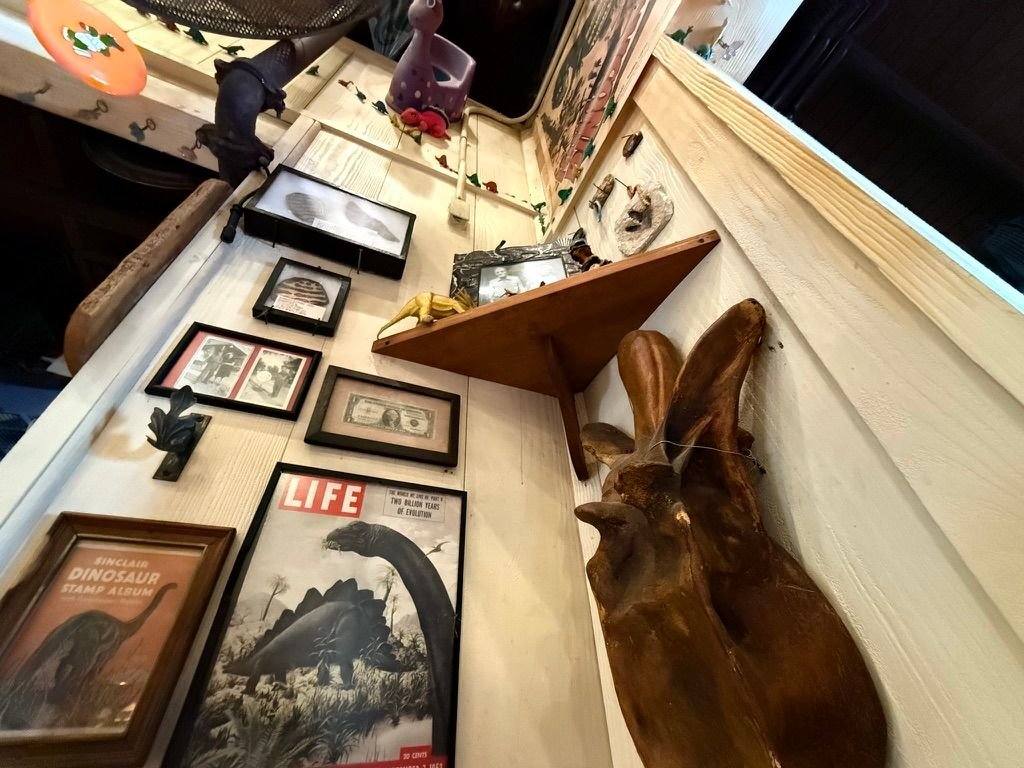
Dinosaur Treasures in DinoLand USA was covered in dinosaur trinkets and other themed items.
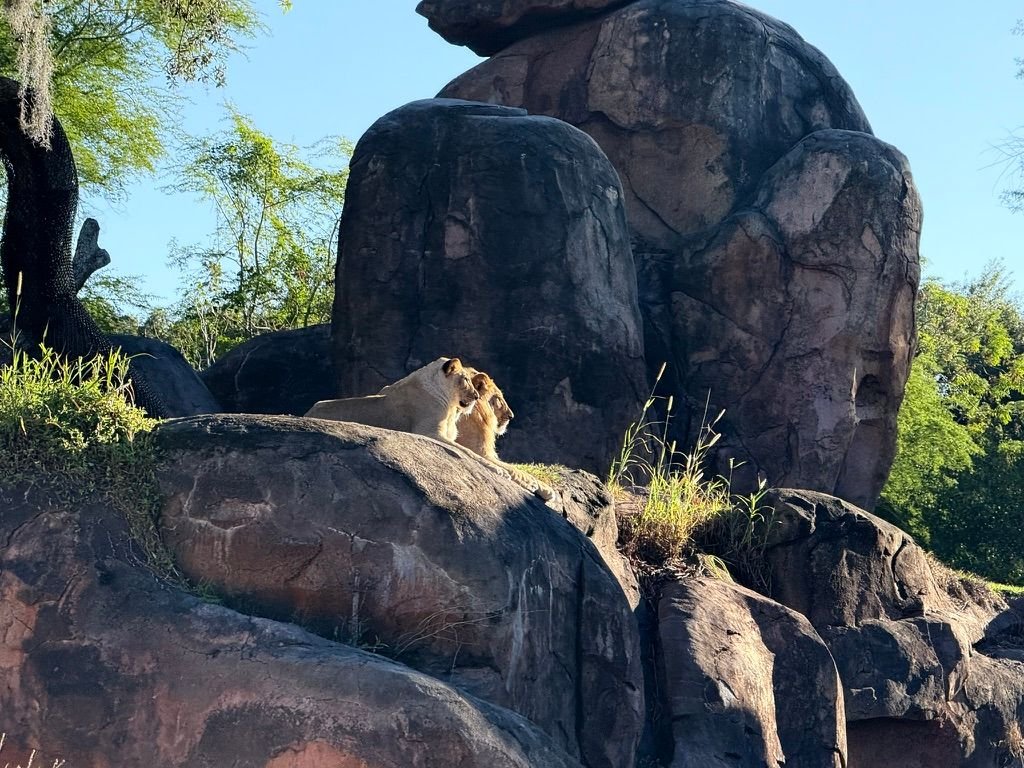
Lions and other animals can be viewed without barriers or fences due to the clever design of each environment.
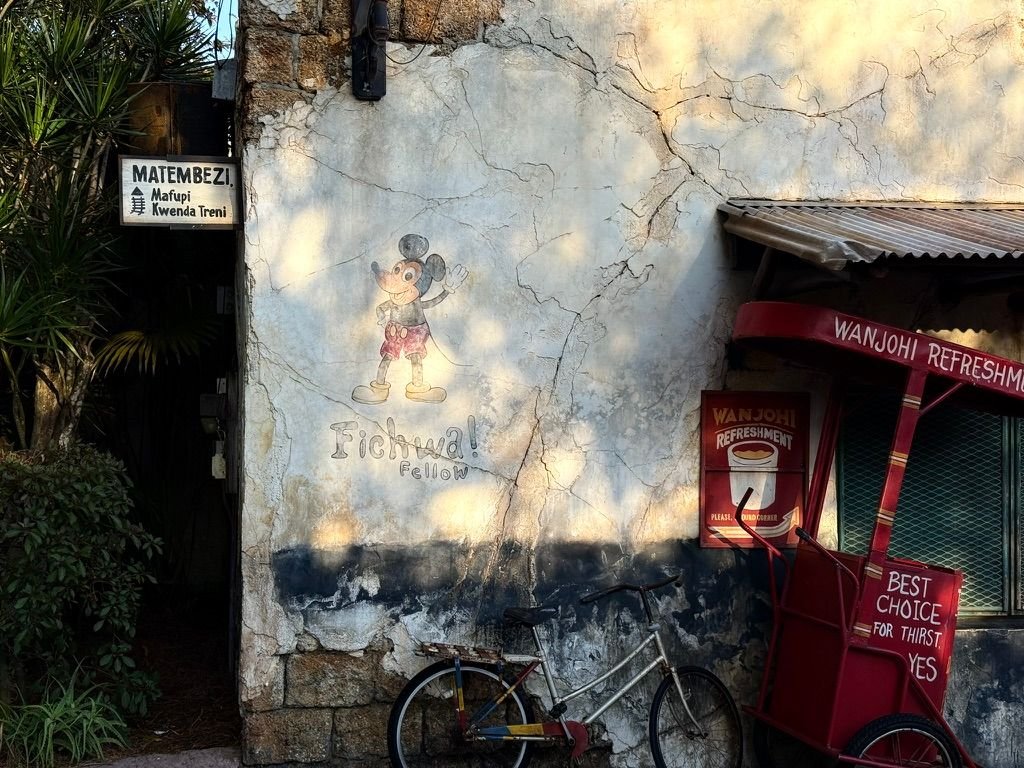
Fichwa is Swahili for "be hidden" — this might be Disney World's most obvious hidden Mickey.
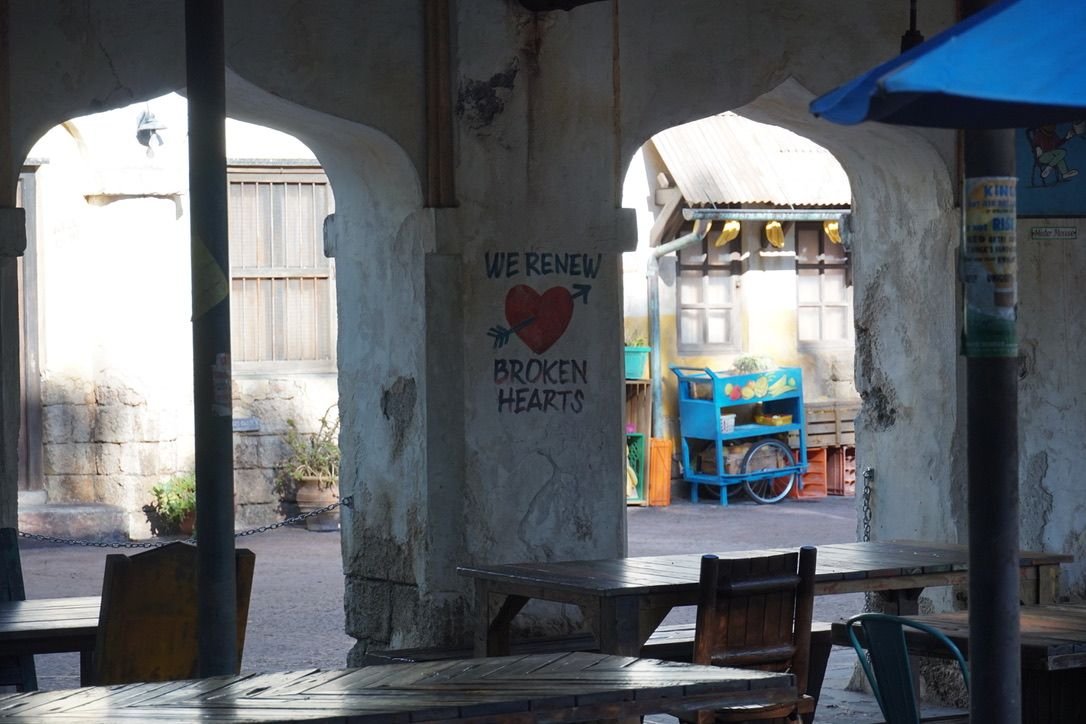
Each land at Animal Kingdom is filled with detailed elements and embellishments which add to the experience and make the world feel lived in.
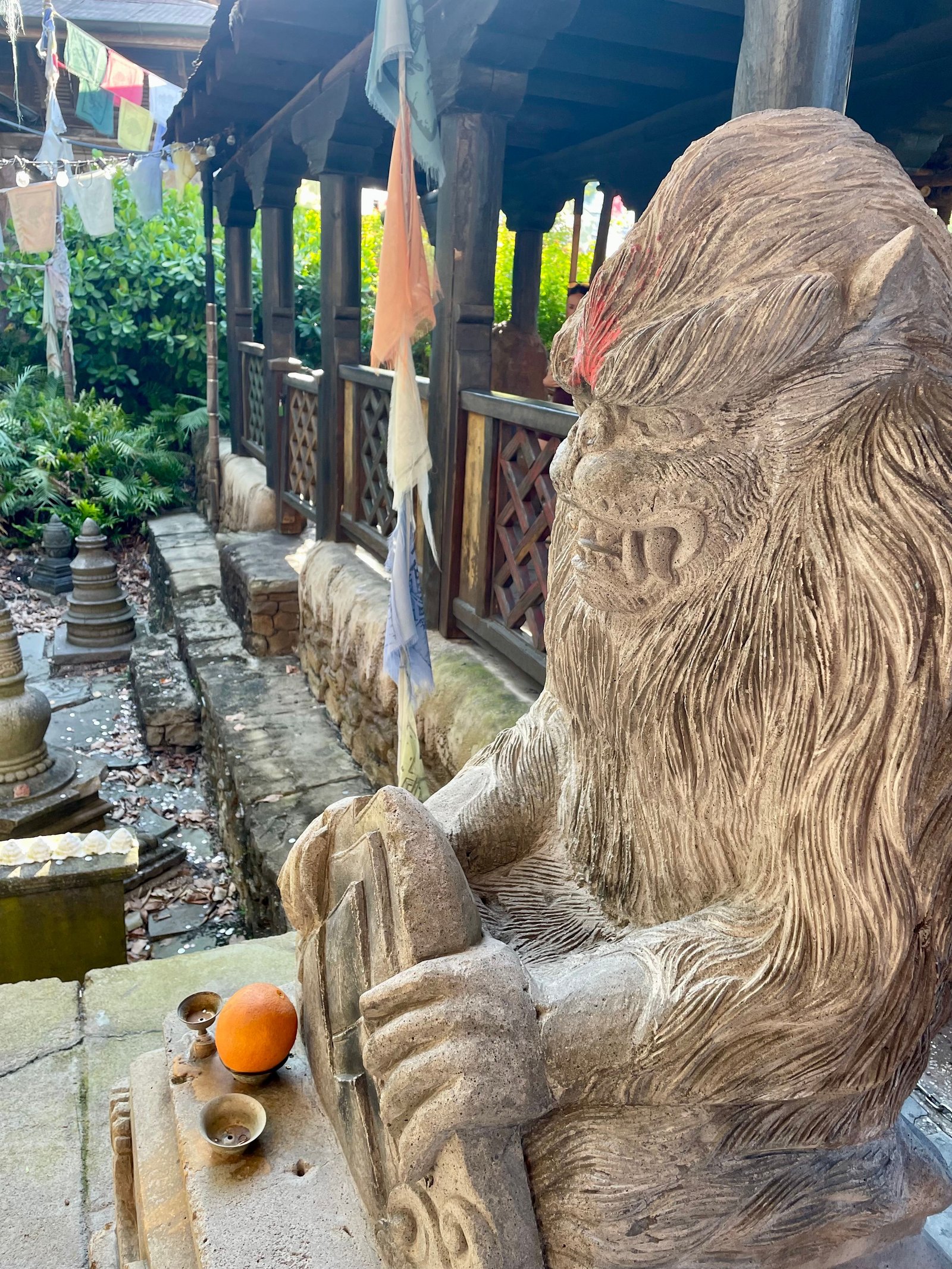
A statue of a yeti stands guard outside the Expedition Everest attraction.
Inspiring action through emotive design
If complete guest immersion is Disney’s design goal, I don’t think they’ve achieved it anywhere else so completely as they have in Animal Kingdom. Great design doesn’t just inform, it makes people feel. At Disney’s Animal Kingdom, every detail is carefully crafted to evoke an emotional connection, ensuring that conservation isn’t just understood but deeply felt. A couple of things I’ve noticed to focus on:
Considered use of signage
The aim, I think, is to elicit a positive response to signage. It must serve its purpose — to provide information — but there’s so much room to create joy while achieving that aim.
The sign below is a themed sign for the restroom in Africa, themed for that area not just in colour or font, but in copy too. It’s a memorable sign for a park guest, and it’s for the toilet.
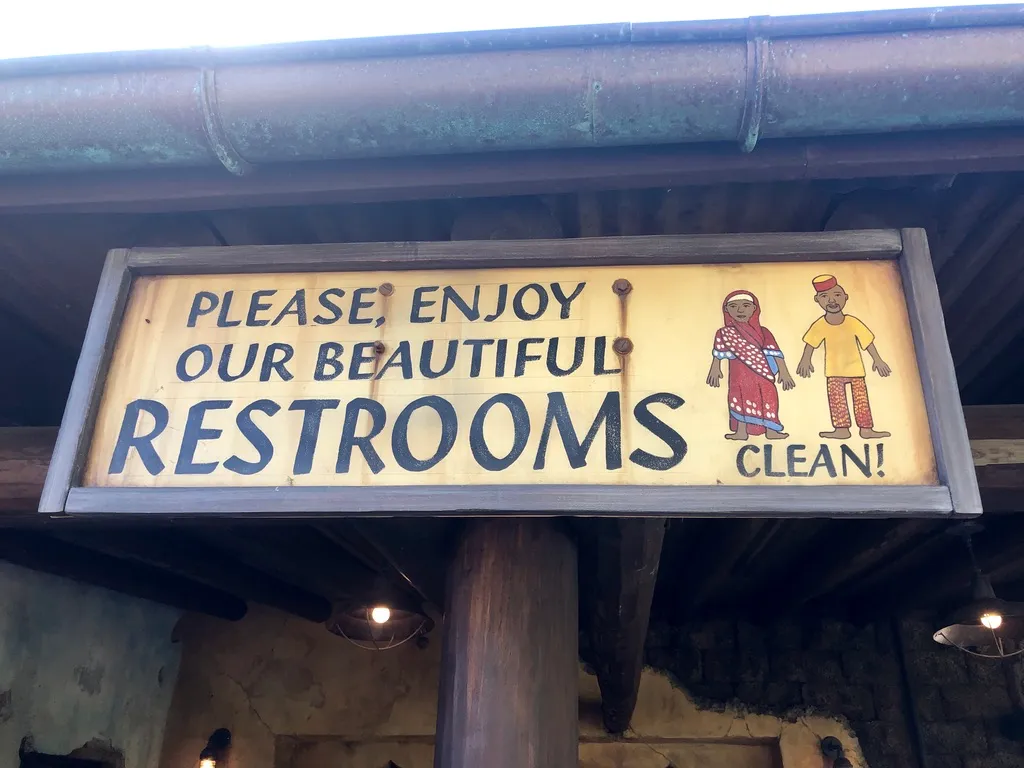
The next two are from DinoLand USA, and offer very clear examples of how theming your signage to its context can help keep guests immersed, while still ensuring they’re supplied with the information they need. There are many examples of this across the park — each land has specific signage, worldbuilding and story.
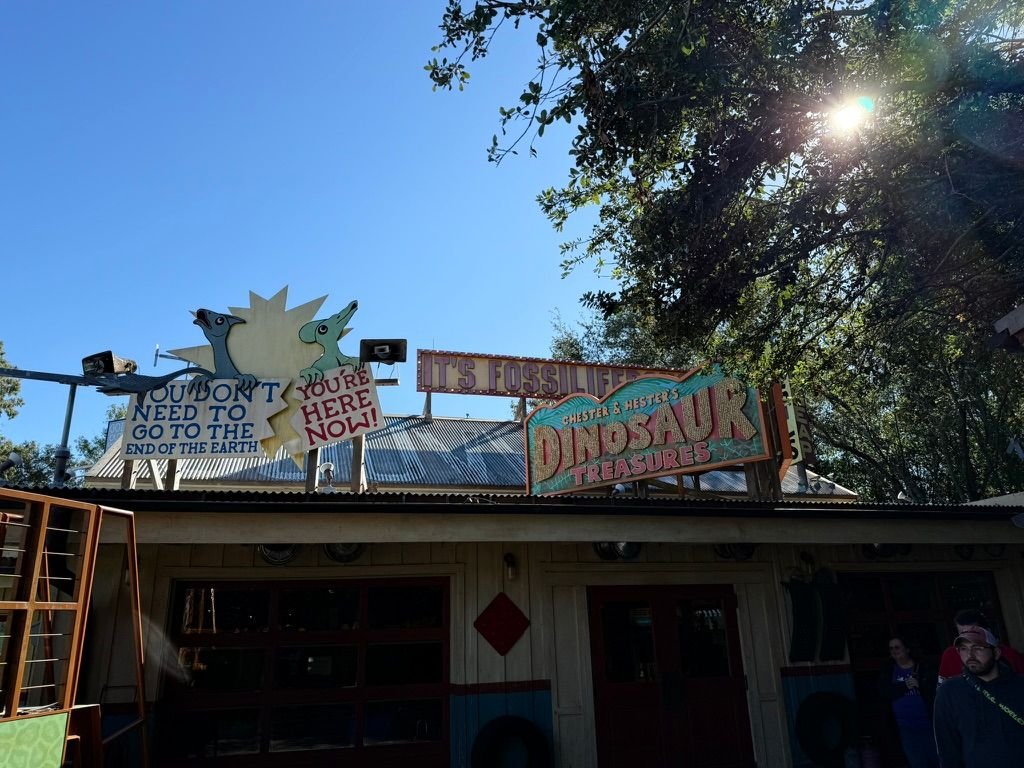
Themed signs for a store in DinoLand USA take on a home-made appearance to fit the story of the land.
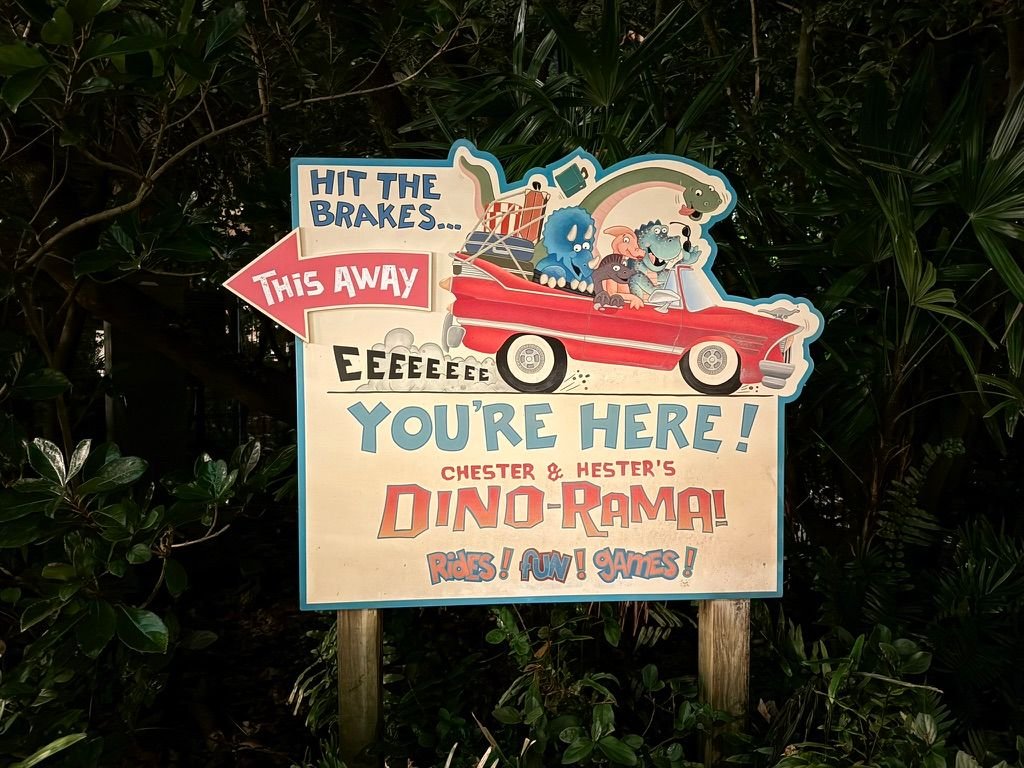
A sign for the now-extinct Chester & Hester's Dinorama area.
The positive experiences here are likely to be felt long after the guest has left the park — joy is powerful, and a positive memory of one aspect of Animal Kingdom can prompt memories of animals and other experiences from that time.
Creating attachment through music
What particularly caught my attention on my last visit was the way music plays such a large role in creating a sense of comfort and attachment to an area. The association between the music playing in a land and its theming and design was so strong that they almost became a single entity in my mind. If I heard the music I thought of the designs and visual style of that land, and vice versa.
This seamless integration of sound and visuals strengthens the emotional bond guests form with each space, making their experience more immersive and their connection to the environment more lasting.
Emotional connection through animal encounters
Disney took great care in designing the park with naturalistic animal habitats and enclosures which closely align with what the animals would experience in the wild.
Disney creates spaces where animals can exhibit natural behaviours while guests observe them in a way that feels organic and immersive. Instead of traditional enclosures with visible barriers, moats, foliage and carefully placed vantage points create the illusion of open landscapes, making the experience more engaging. At Gorilla Falls Exploration Trail, for example, visitors watch gorillas interact within a lush environment, reinforcing the idea that they’re stepping into the animals’ world rather than simply viewing them.
These design choices foster a deeper emotional connection, encouraging guests to see these creatures as individuals with complex lives rather than just exhibits, ultimately inspiring greater respect and a desire to protect wildlife.
Managing environmental impact
The reality is that there are a lot of environmental overheads involved in running a tourist destination such as a theme park. Disney is very transparent in how it looks after its animals, and has prominent partners in the naturalist world (Dr Jane Goodall was a consultant on the gorilla habitat, for instance).
As of 2023, the Disney Conservation Fund had directed over $125 million to projects that support communities protecting wildlife and their habitats in 126 countries. Animal Kingdom is the only one of the four Walt Disney World parks in which you cannot purchase or bring in holding balloons, no firework shows are performed, and the park closes earlier than the others to keep the evening and night environments as quiet as possible for the animals.
These efforts demonstrate that even a large-scale theme park can balance entertainment with environmental responsibility, setting a standard for how tourism and conservation can coexist.
Lessons from Animal Kingdom
Deep engagement through storytelling
Animal Kingdom proves that storytelling isn’t just for entertainment, it’s a powerful tool for engagement. By embedding narratives into every aspect of the park, from architecture to attractions, Disney transforms passive observation into an interactive experience that leaves a lasting impression.
Designing for emotional impact
This emotional connection affects how people think and feel. Animal Kingdom’s immersive environments, carefully crafted habitats, and thoughtful use of music and theming demonstrate how design can inspire empathy, curiosity, and a deeper appreciation for the natural world.
Taking inspiration: London Zoo
As a side note, a recent visit to London Zoo showed that you don’t have to be Disney to employ some of these practices. We stayed overnight near the Lion habitat, and they’ve paid a very similar level of attention to this area, with much the same effect on guests, in my opinion.
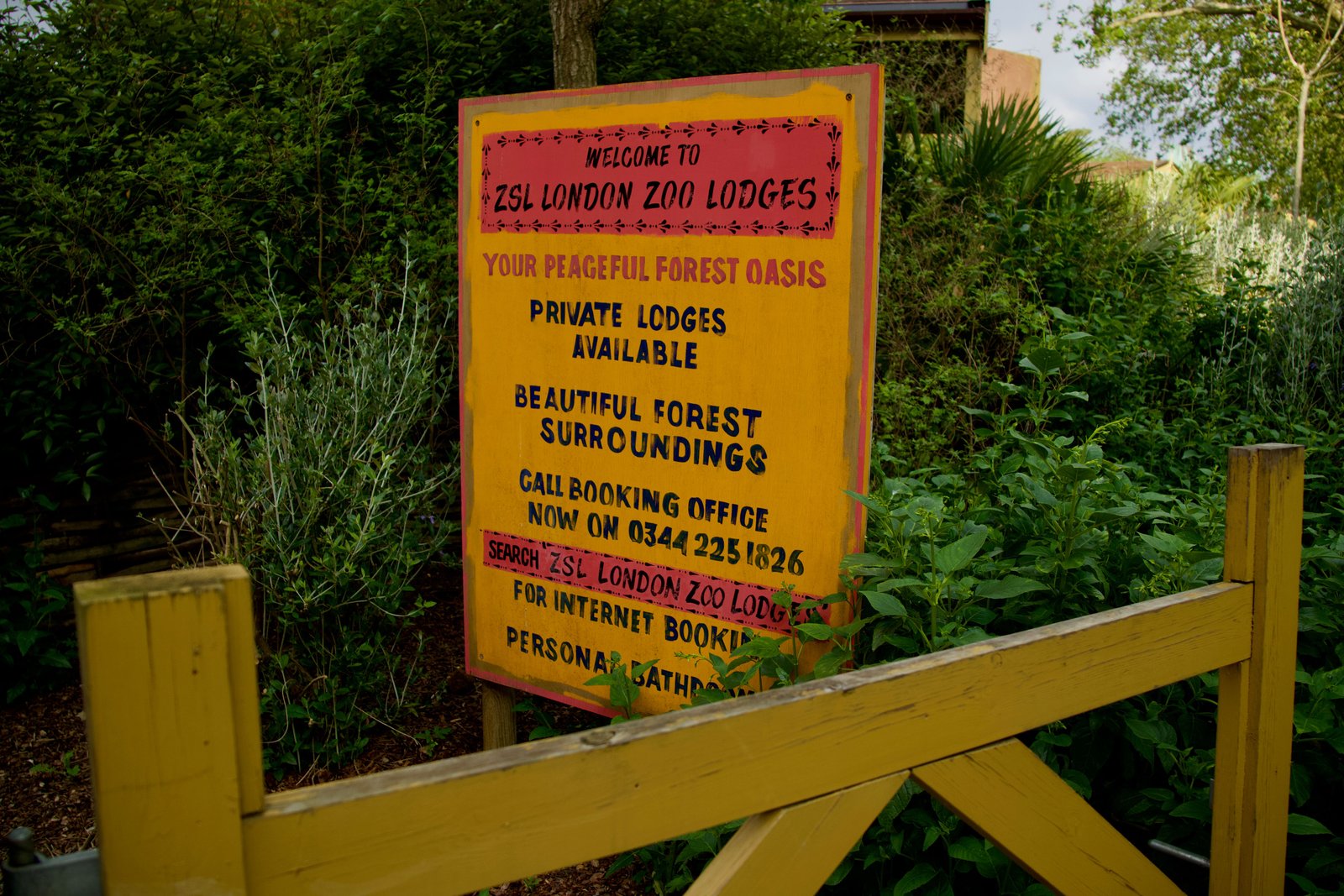
This themed signage at London Zoo shows choices in language, fonts and colours which add to the experience.
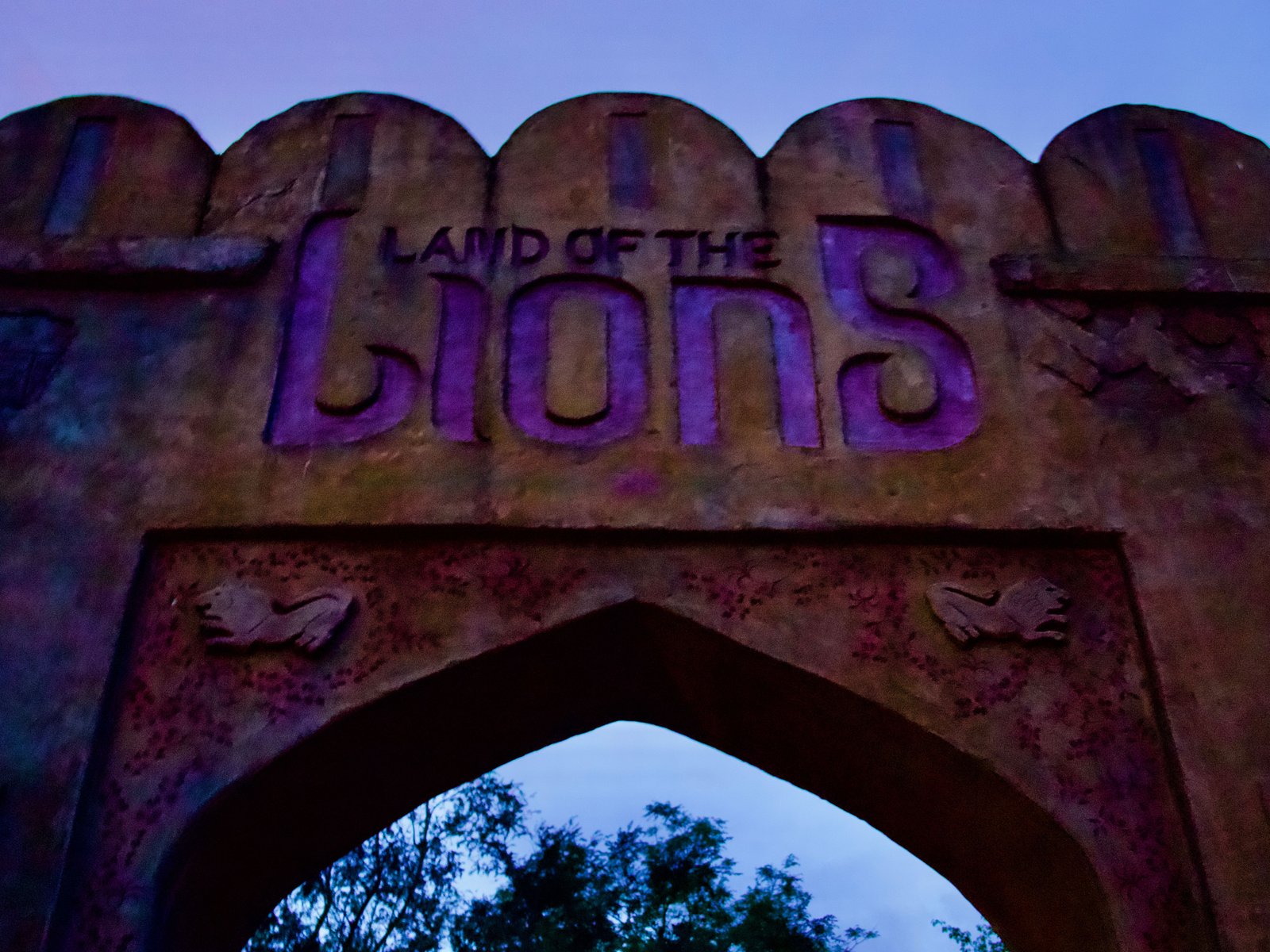
The entrance sign sets the guest up for what to expect within the land.
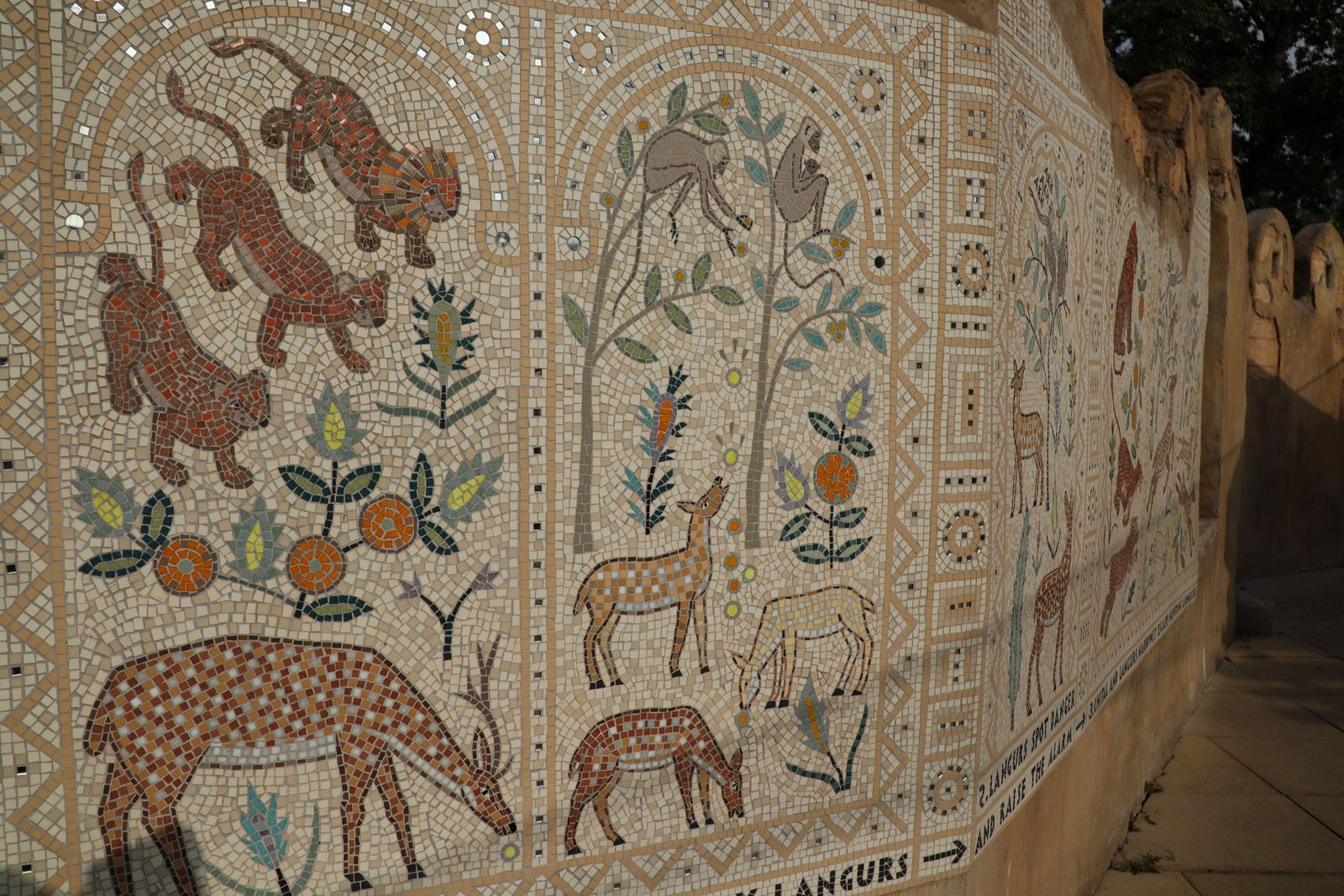
This finely tiled mosaic shows a similar level of attention to detail as Disney.
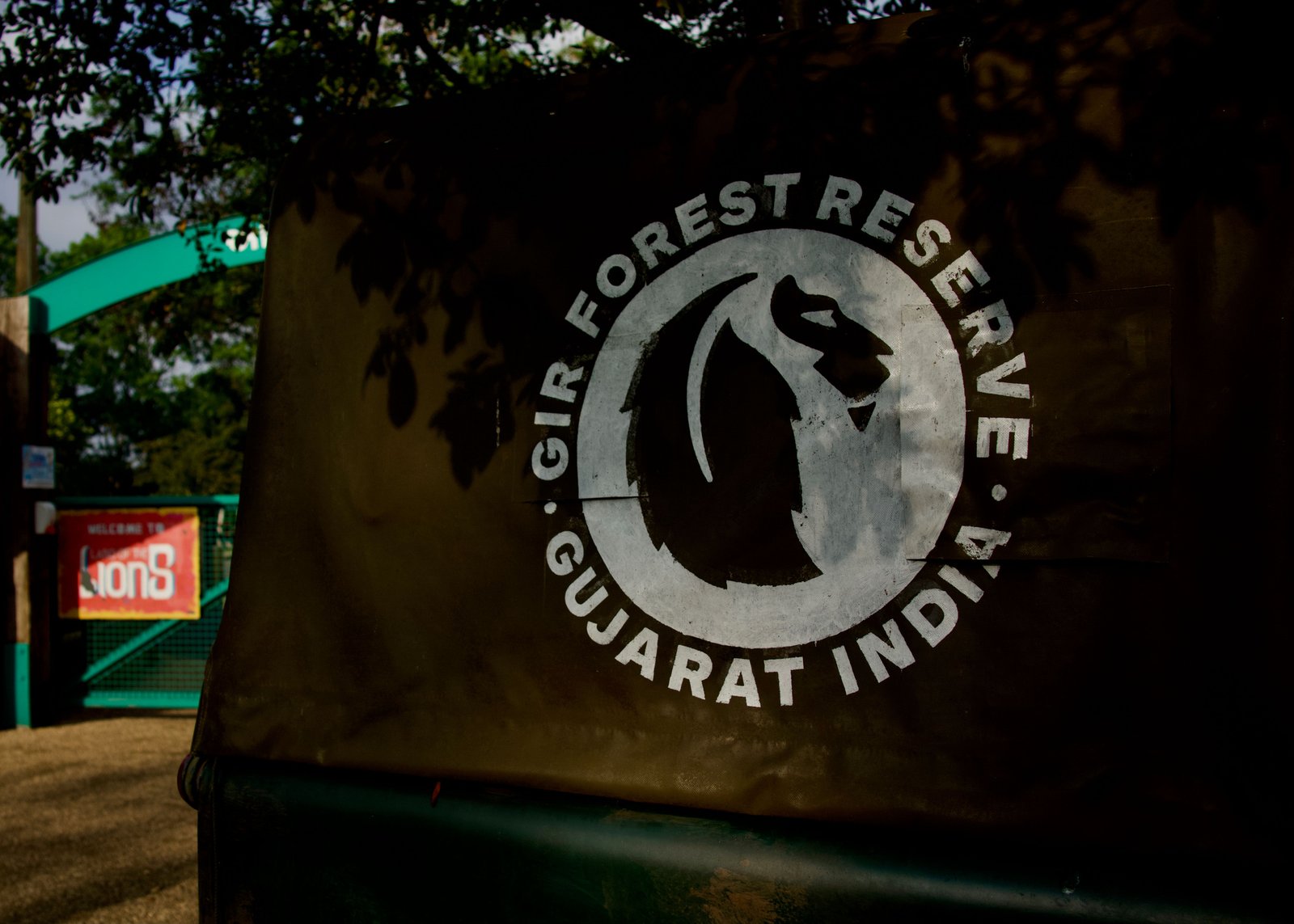
In-world brands reinforce the worldbuilding of a land or area at an attraction.
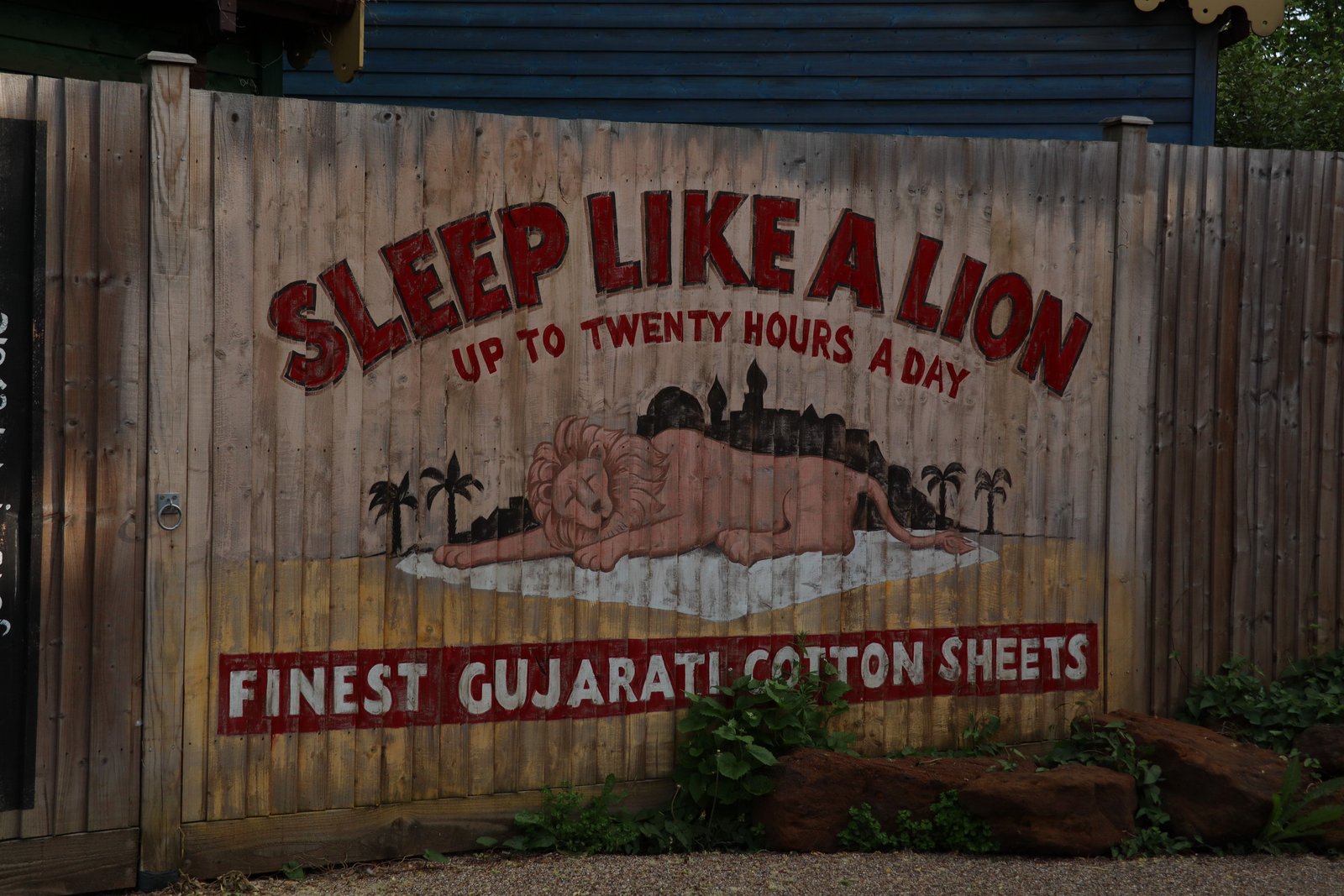
In-world advertising which is a great example of joy in signage that also educates on the sleeping habits of lions.