
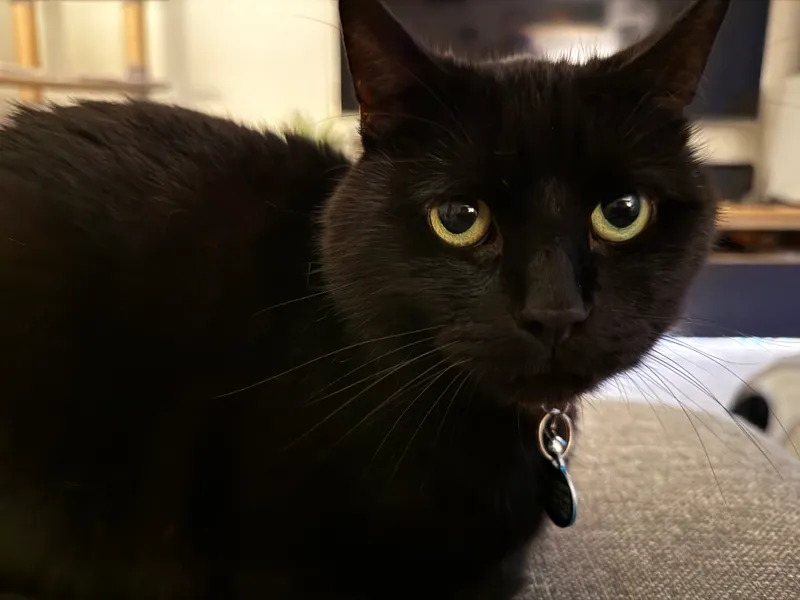
We’ve had Harlow two years now, and he’s almost always been a delight, but not always in the way I’d expected him to be.
As we were preparing to adopt a cat, we took some time to speak to friends and coworkers and did all the research as you should, and came away with the impression that whatever cat we ended up with would probably do his own thing most of the time, spend all day out and come back for food and leave again. In reality this couldn’t be further from the truth about our dear Harlow.
He’s a people cat, sitting on my lap as I type this, who likes being outside if we’re outside with him, but otherwise isn’t that bothered. He likes us, just as much as we like him, and it’s the best. But was honestly unexpected.
Here’s where I draw some parallels to what I’ve written about before, Harlow has experience prior to living with us, and this is what I’ve realised is a good perspective to analyse users and their behaviour. Your expectations may be met with some users, but your users all have different experiences before they find their way to you, you don’t know how someone is going to react to what you design, even if you’re pretty sure what to expect.
I’m talking about life experience as well as experience with other systems which they might confuse with yours. It’s an example of how that research step - talking to those you’re creating for, is incredibly important, even if you think you know what they want.
Unfortunately Harlow can’t speak, so two years in, we’re still learning about what Harlow needs rather than what we expect him to need. And, as it turns out that’s the same job I’ve been doing with Moodle users for years - just with less fur on the keyboard.